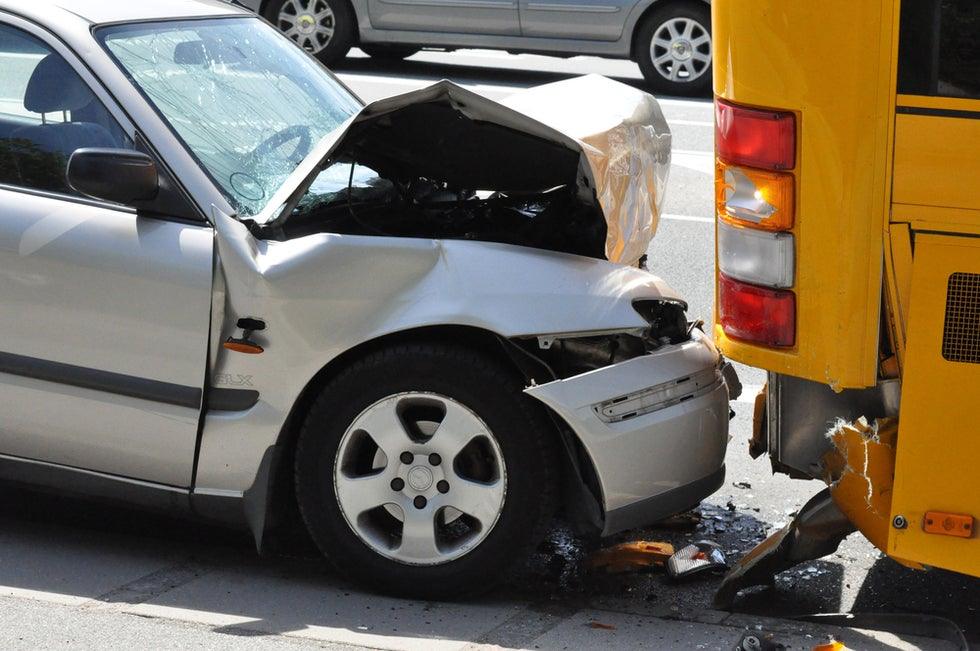
Driver fatigue contributes to bus accidents by slowing a driver’s response and narrowing attention during heavy traffic and frequent stops. A tired driver may miss a light change or react too late when conditions change quickly.
The question of how driver fatigue contributes to bus accidents comes up when the crash feels sudden and hard to explain. Fatigue can alter judgment and timing in ways that look like a simple driving error.
A bus accident lawyer in Los Angeles can review the driver’s work hours and route timeline to understand what happened before impact. That support can help keep the record clear when the company starts shaping the story.
California Bus Crash Claims Start With Timing and Accountability
A Los Angeles personal injury lawyer looks at timing right away because fatigue is tied to time on task. Long hours on the road and demanding schedules can wear a driver down, which is why a claim needs a timeline that lines up with the route details and the collision itself.
Bus companies and insurers move fast after a serious collision. They start building their version of events right away. If you wait too long, you can lose control of the facts and the proof that supports them.
The timeline becomes more trustworthy when you start it early and keep it consistent. When it matches your medical records and supports witness recollections of what people saw before impact, it can better support your claim.
Call our personal
injury lawyers today
Routes Add Fatigue Pressure in Real Ways
Across California, bus drivers can spend long hours in traffic that demands constant attention, and the combination of congestion, sun glare, and long routes can drain alertness before a shift finishes.
Transit schedules can push drivers to make up time after delays. A driver might feel pressure to keep moving, even when the body needs rest. That pressure can lead to rushed choices at intersections and near curb zones.
Those early start times and late-night routes can wear a driver down in a way sleep doesn’t fix overnight. The body can feel out of sync, and focus can dip when traffic still demands full attention.
What Are the Signs of Driver Fatigue That Can Lead to Accidents?
People expect fatigue to look clear on a person’s face. Real fatigue can hide behind routine movement and normal speech, then decision-making slips. The best indicators come from what happened on the roadway.
Look for signs in the driving itself that suggest attention dropped before the collision. Witness accounts and video can support that.
Here are signs that families and riders report after fatigue-related bus crashes:
- A delayed brake that feels sudden at the last moment
- A lane drift that happens without a clear reason
- A missed light or missed stop that seems out of character
- A slow response to horns or nearby hazards
- A turn that feels rushed or poorly judged
These signs don’t automatically prove fatigue. They can signal the need for records review and investigation into the driver’s hours and the moments before the crash.
personal injury lawyer
get a free consultation
How Can Driver Fatigue Be Prevented in the Bus Industry?
Prevention starts with realistic scheduling that respects human limits. A company can reduce risk when it builds routes that allow true rest. A company can also reduce risk when it avoids punishing drivers for delays.
Clear standards can make fatigue reporting part of safety culture. Drivers need to feel comfortable sharing their fatigue concerns. Supervisors must follow a consistent plan to lower risks while on duty.
Policies work best when they match what drivers face on the road each day. Tracking hours and planning shifts helps lower the risk of fatigue. Supervisors should also respond to any concerning patterns that could lead to fatigue.
Evidence That Can Point to Fatigue After a Bus Crash
A fatigue case often relies on paper and data that the public never sees. Hours-of-service logs, dispatch records, and internal schedules can show how long the driver worked before the crash. That evidence can connect fatigue risk to timing.
Video can also help, especially when it shows the seconds before impact. Footage could show lane drift or late braking. A camera might also capture head movement that suggests a lapse in attention.
Medical records are important as well because they show the timing of the injury and its symptoms. A clean timeline helps link the crash to your treatment. It also helps defend against insurer attempts to downplay what the bus did.
A Bus Accident Lawyer in Los Angeles Can Push for the Full Record
A bus company may hold the strongest proof, and that can feel unfair when you need answers. Internal records and onboard footage can stay in the company’s hands unless someone pushes for them through the right channels.
A bus accident attorney in Los Angeles can start the records process early and challenge slow-walking that puts evidence at risk. If the company refuses to cooperate, formal legal demands can require preservation and production of evidence.
You also pay for judgment calls that protect your privacy and your time. A lawyer can set boundaries with insurer requests and keep the case focused on the crash impact. That focus can prevent distractions that slow down progress.
What to Do After a Fatigue-Related Bus Crash in California
Get medical care first, then keep the paperwork that comes with it. Those records help explain what the crash did to your body and your life, and they can support the claim from the very beginning.
You can also protect your claim by treating calls with insurance with caution. An adjuster might push for a recorded statement early. You can pause and get advice before you lock yourself into wording.
If you have photos or a report number, keep them in one place. Taking a small step now saves time later and avoids confusion. An organized file gives your lawyer a clear timeline without needing to track down simple details.
personal injury lawyer
get a free consultation
The California Statute of Limitations for Bus Crash Claims
California gives most injured people two years to file a lawsuit after a bus crash, and California Code of Civil Procedure § 335.1 controls that deadline. The countdown usually starts on the crash date, so calendar clarity helps early.
Some bus crashes involve a public entity, like a city transit system or county agency, and those cases follow a faster notice deadline. California Government Code § 911.2 sets a six–month window for many government claims.
A quick consult with Los Angeles bus accident attorneys can confirm which deadline fits your facts and help you avoid a timing mistake that can shut down the claim. The law’s deadline doesn’t pause for medical recovery.
A Clear Path Forward After a Bus Crash
A bus crash can leave you replaying the moment and wondering what you missed. Fatigue can sit underneath a collision that looks like “bad driving,” and that can change how a claim needs to be built.
A strong case starts with our Los Angeles bus accident lawyers asking the right questions and pushing for the records that answer them. That approach can keep the bus company from controlling the story while you try to heal.
When you reach out to Vaziri Law Group, you work with a team that has recovered over $1 billion in results for injured people across California and keeps a tighter caseload by design. We move early to preserve records and build every case with trial preparation in mind. Give us a call today.