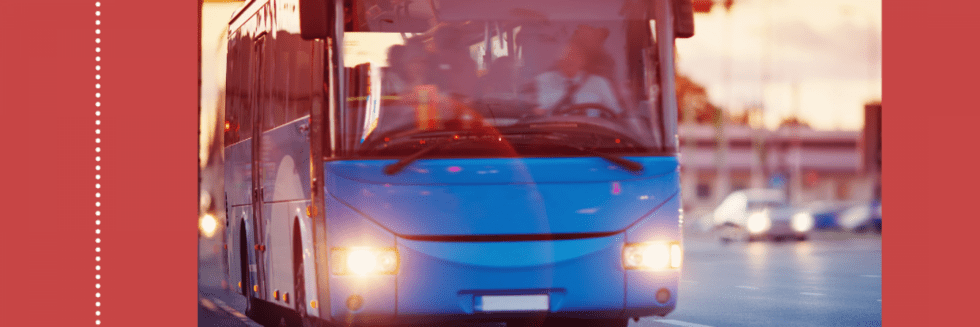
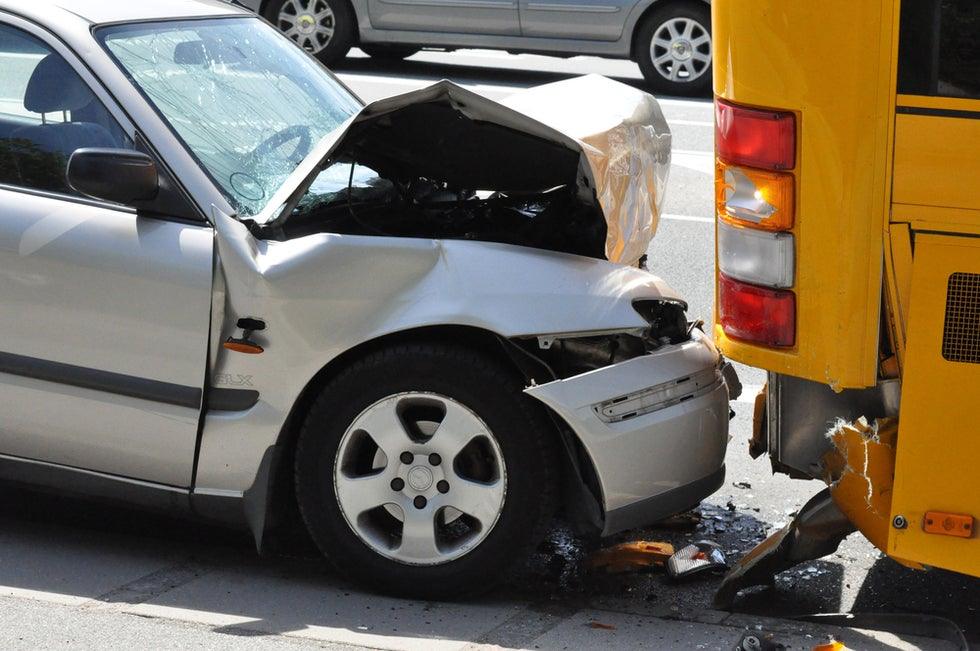
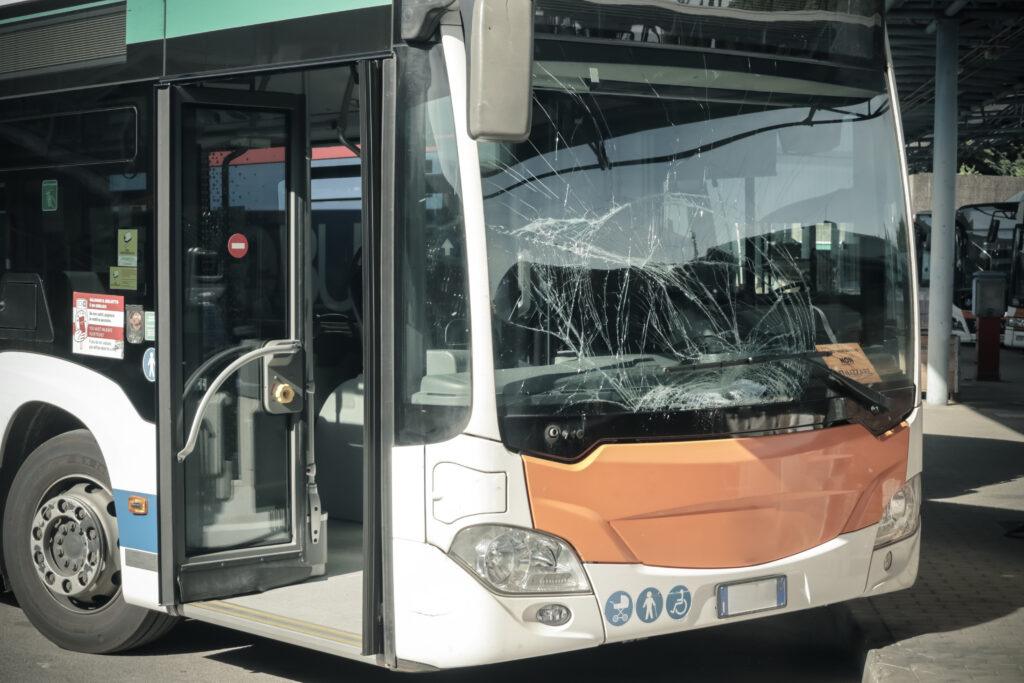
Adverse weather conditions increase the risk of bus accidents in Los Angeles by reducing traction and visibility while traffic remains heavy. A bus needs more room to stop and more time to react, and weather can take both away.
A crash can feel like it came out of nowhere. Rain can make roads slick, and road glare can temporarily blind the driver.
A bus accident lawyer in Los Angeles can review the route, the conditions, and the records that show what the driver faced before impact. That review can help you get answers when the company starts explaining the crash in its own way.
Why Do Road Conditions Matter in a Los Angeles Bus Crash Claim?
Road conditions affect weather-related bus crashes because the same route can feel different once the pavement turns slick and visibility drops. A Los Angeles personal injury lawyer looks at those circumstances to understand what a careful driver should have done.
Right after a crash, the company and its insurance carrier start gathering statements and building their version of what happened. They may quickly blame the weather, even if the bus was going too fast or didn’t respond the way it should have.
Clear documentation helps present what the street looked like at the time. When the records align with the timing of the crash, it becomes easier for your attorney to explain what the driver could, and could not, see and how the bus responded.
Call our personal
injury lawyers today
How Does Rain Increase the Risk of Bus Accidents in Los Angeles?
When it rains in Los Angeles after a long dry period, oil on the road rises to the surface and makes the pavement slippery. The first rain can make painted lines and crosswalks especially slick, which is more dangerous for a heavy vehicle like a bus.
A wet road can make a normal stop take longer than expected, especially with a loaded bus. When a driver follows another vehicle too closely, the margin for a safe stop is reduced near curbs and intersections.
Rain also changes how pedestrians move near bus stops. A person could rush for cover or step off the curb sooner than expected to avoid water. A safe and alert driver takes that into account and slows down earlier near crosswalks and stop zones.
How Do Fog and Glare Increase Bus Crash Risk Near Stops?
Fog reduces visibility and compresses a driver’s field of vision, especially on early morning routes or near hills. Streetlights and headlights can reflect off moisture in the air, creating glare that washes out details on the roadway.
In these conditions, a driver may not see a pedestrian standing near the curb or stepping into the crosswalk until the last moment. Brake lights from traffic ahead can also appear dim or delayed through thick air.
Near bus stops, where people move unpredictably, limited visibility raises the risk of sudden conflicts. Drivers must reduce speed and scan more carefully because visual cues do not carry as far in fog as they do on a clear day.
personal injury lawyer
get a free consultation
How Do Wind, Standing Water, and Street Debris Lead to Bus Crashes?
Strong winds can make it hard to control a bus, especially on open bridges or wide roads where gusts hit the side of the vehicle. A driver may turn the wheel too quickly to correct for the wind, and passengers can feel that sudden shift inside the bus.
Standing water creates a different kind of risk because it changes how the tires grip and how the bus responds to steering and braking. A Los Angeles bus accident attorney can review the route and the timing to understand how pooling water affected control.
After a storm, debris can suddenly be in the road, and conditions can change from one block to the next. If a bus swerves or brakes hard to avoid something, passengers can be thrown forward, lose their balance, or fall from their seats. Riders can get hurt even if the bus never hits anything.
How Can Bus Drivers Prepare for Driving in Adverse Weather Conditions?
Preparation starts before the route begins. On a bad-weather day, a driver needs a plan for how to carefully operate the bus and approach stops without rushing.
Companies can reduce weather risk when they support drivers with practical guidance and realistic scheduling. The best preparation includes daily habits that reduce pressure and keep the focus on safety.
Bus drivers can reduce crash risk in adverse weather by taking steps like these:
- Slow the approach to intersections and bus stops, then brake earlier.
- Increase following distance to allow time for wet-road stopping.
- Use headlights and wipers consistently, even in light rain.
- Avoid sudden lane changes when roads look slick or flooded.
- Report poor visibility zones and hazardous pooling to supervisors.
Good preparation reduces preventable surprises. It also creates a record that shows the driver and company took the conditions seriously.
What Should You Do After a Weather-Related Bus Crash in Los Angeles?
Start with medical care and keep your paperwork together so your treatment timeline stays clear. If you can take photos safely, capture the roadway conditions in a way that reflects visibility at the scene. If an adjuster pushes for a recorded statement, pause and get advice before you respond.
Here are practical items that can help a claim stay organized in the first few days:
- The incident report number and any transit claim reference
- Photos of the roadway conditions and your visible injuries
- Names and contact information for witnesses you spoke with
- Medical visit paperwork from the first appointment after the crash
- Notes about missed work tied to your injury dates
A small amount of organization now can save time later.
What Evidence Can Show How Weather Contributed to a Bus Crash?
Weather can explain risk, but it doesn’t excuse careless choices. The strongest claims rely on the documentation that shows the driver’s decisions as well as the timing that puts those decisions in context.
Evidence can change quickly after a storm because the conditions are fleeting. The official collision report from the Los Angeles Police Department or the California Highway Patrol can capture early details while memories stay sharp.
Here are common sources of evidence in a weather-related bus crash claim:
- Bus camera footage and any nearby business video
- Dispatch communications and route logs tied to timing
- Maintenance records tied to tires, brakes, and wipers
- Witness statements that describe visibility and traffic flow
- Photos from the scene that show standing water or glare
Strong evidence can answer questions that the company avoids.
personal injury lawyer
get a free consultation
If You Were Involved in a Weather-Related Bus Accident in Los Angeles, Call Vaziri Law Group Today
After a bus crash, people often blame the weather first because it seems like an easy and unavoidable reason. The real question is whether the weather truly caused the crash, and the only way to know is by looking at the evidence.
You deserve a clear explanation of what happened on the street and how the bus was handled during the adverse weather conditions present at the time of the crash.
When you contact Vaziri Law Group, you speak with a team that has obtained over $1 billion in results for injured people across California. If you want to speak with a bus accident lawyer in Los Angeles, call today for a free consultation.