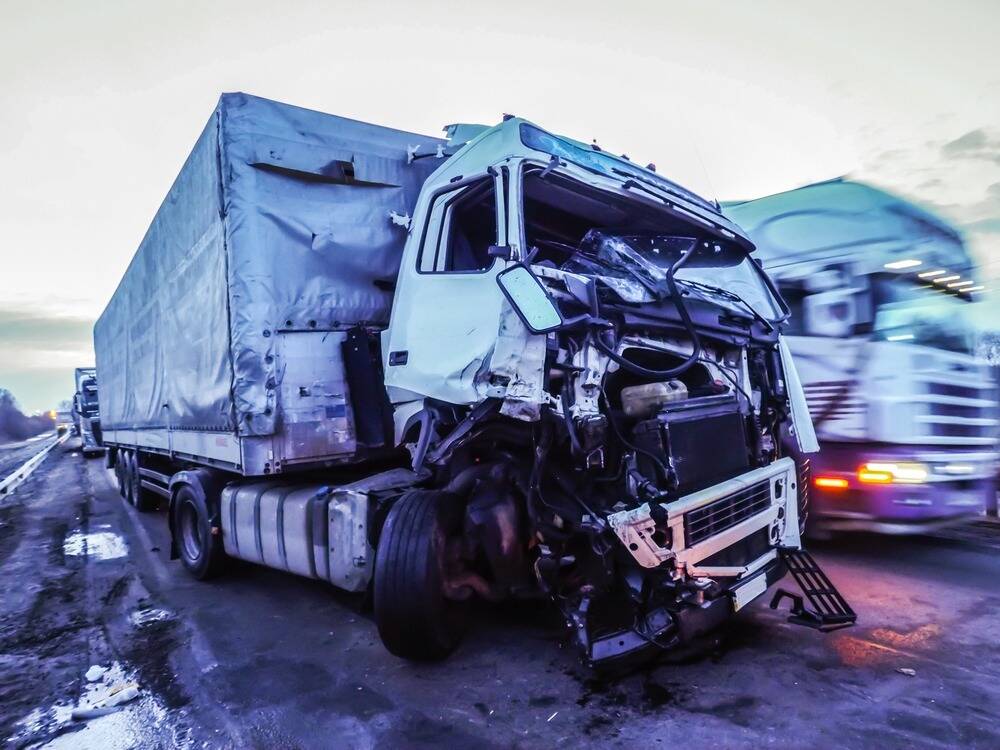
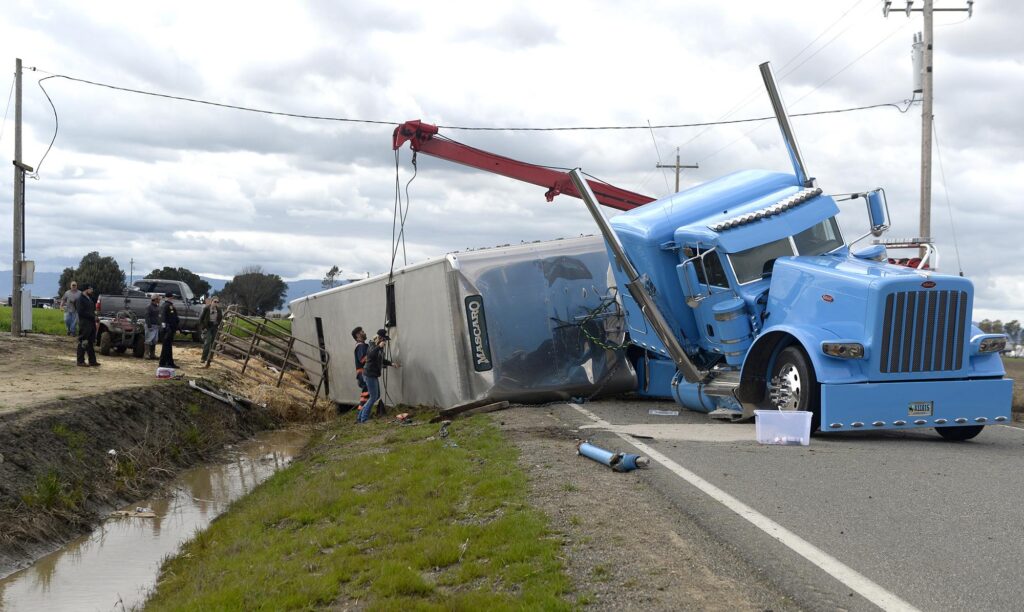
You have two years from the date of the incident to file a truck accident lawsuit in California. This is known as a personal injury claim, but victims also have three years to take legal action for the property damage they sustained.
That said, even shorter deadlines may apply if a government entity is involved. Knowing how long you have to take legal action before potentially losing your right to seek justice altogether can feel stressful and overwhelming.
That’s where a Los Angeles truck accident lawyer comes into the picture. If you or someone you love was hurt in a truck-related collision, you have legal rights, and an attorney can help you pursue them.
Standard Time Limit for Personal Injury
In most truck crash cases that involve bodily injury, the state of California provides victims a two‑year window to file a lawsuit. This period begins on the day the collision occurred.
This timeline includes claims for physical injuries, emotional distress, lost income, and medical expenses tied to the accident. If you miss this deadline, your case will likely be dismissed, even if liability and damages are clear, so you should promptly contact an attorney.
Call our personal
injury lawyers today
Time Limit for Property Damage
If your claim only pertains to property damage—whether it be in terms of your vehicle, your personal belongings, or nearby structures—the statute typically expands to three years from the accident date instead of two.
However, claims that are filed after this period expires will also be barred. That’s why we emphasize the importance of taking prompt action. The sooner you contact a lawyer, the less likely you are to run out of time.
Government Entities and Shorter Deadlines
Claims against public entities—such as the state of California, a city, a county, or a government department—follow a drastically different timeline. You must file an administrative claim within six months of the accident under the California Tort Claims Act (Government Code § 911.2).
After filing, the agency has 45 days to respond. If they deny your claim or fail to respond, you will likely be granted another six months to file a lawsuit in court. Like other claims, the failure to do so on time will typically result in the complete loss of your right to recover.
personal injury lawyer
get a free consultation
Exceptions That May Pause or Extend Your Deadline
Certain conditions can toll—or pause—the statute of limitations. In turn, this effectively extends the filing deadline. Here are some conditions worth noting:
- Minors: If the injured person is under the age of 18, the two‑year clock does not begin until their 18th birthday.
- Incapacity: Physical or mental incapacities—such as a coma or a mental disability—can toll the clock until the person regains competency. However, it generally cannot extend the deadline beyond two years after the individual regains capacity.
- Delayed discovery: If injuries like internal trauma or toxic exposure are not immediately apparent, the statute begins when the injury is discovered or should have been found with reasonable diligence.
- Defendant unavailable: If the defendant leaves the state, is incarcerated, receives an insanity diagnosis, or goes bankrupt, the deadline may be paused until these conditions are no longer present or true.
Tolling ensures fairness in cases where external factors prevent timely filing. In turn, it safeguards your legal options under California law.
Application to Truck Accident Claims
The same limitations and exceptions above apply to truck accident cases, no matter if they involve big rigs, delivery vehicles, or private haulers. In other words, California laws do not carve out a separate timeframe for truck accidents.
Instead, they fall under the umbrella of personal injury or property damage claims, depending on the type of damages the victims are interested in pursuing.
Multiple Defendants and Cross‑Claims
Truck accidents often involve multiple potentially responsible parties, including drivers, trucking companies, vehicle owners, and government entities. Each may trigger different filing rules.
For starters, a personal injury claim against the truck driver or trucking company typically follows the normal two‑year rule. Meanwhile, a suit against a city for road hazards involves the six‑month administrative filing requirement.
Property damage claims may have three years for non-governmental defendants. Claims involving minors, discovery delays, or incapacity may require further analysis to determine tolling effects. It all depends on the specific details of your circumstances.
Consequences of Missing Deadlines
If a lawsuit is filed after the applicable statute of limitations expires, the defendant can file a demurrer or motion to dismiss, which involves citing the expired limitation. Courts are often open to granting dismissal unless a tolling exception clearly applies.
Once dismissed for late filing, repeat filing is typically barred, meaning the outcome will be the permanent loss of the right to sue, even if liability and damages are undeniable. This underscores that calendar diligence is a must in truck accident cases.
personal injury lawyer
get a free consultation
Contact Us to Learn How Long You Have to File a Truck Accident Lawsuit in California
If you or someone you care about was hurt in a truck-related collision, knowing how long you have to file a lawsuit is important. Otherwise, you could risk losing your right to compensation.
At the same time, it might be comforting to hear that you don’t have to go through this alone. Instead, reach out to Vaziri Law LLP to speak with Los Angeles truck accident attorneys as soon as possible.
With over 200 years of combined experience, our lawyers are well-versed in the state’s filing deadlines, and we can ensure your claim stays on track. We’ve recovered more than $1 billion in compensation, and we can help you work toward the justice you deserve.