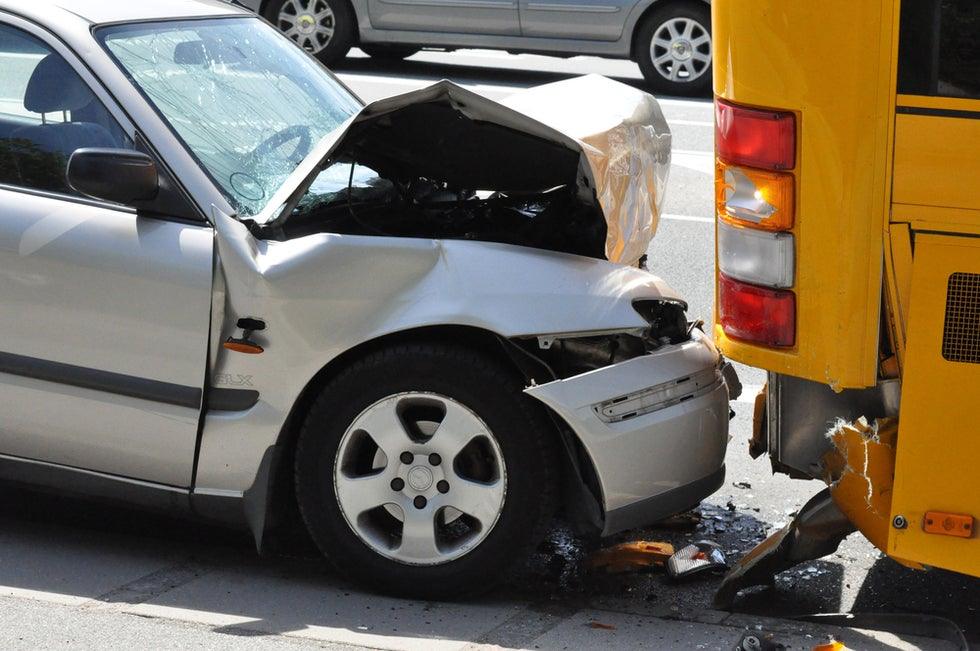
The most common mechanical failures that cause bus accidents involve breakdowns that take away reliable control of the bus. When the vehicle stops responding the way a driver expects, a crash can happen quickly.
After a collision, people want an explanation that makes sense. After a crash, it may seem like the bus failed to brake or steer properly, leaving riders and families searching for answers while the company treats the incident as closed.
A bus accident lawyer in Los Angeles can figure out what failed by pulling maintenance records and inspection history, then comparing them to what the bus and crash scene show. That approach keeps the explanation evidence-based from the start.
The Mechanical Failures That Come Up Most in Bus Crashes
Most mechanical failure claims involve failures in core safety systems that keep a bus stable and responsive in California traffic. When one fails, the margin for correction can shrink quickly, especially in dense traffic.
Investigations usually begin by identifying the failed system, then tracing the failure through inspection history and service decisions. That process keeps the case anchored to proof instead of speculation and helps explain why control disappeared.
These mechanical failures appear again and again in serious bus crash cases:
- Brake failures
- Steering system malfunctions
- Tire blowouts
- Suspension failures
- Engine problems
Each failure can leave physical evidence on the bus and a record trail behind it. A clear review by a Los Angeles personal injury lawyer can connect the breakdown to maintenance choices and the conditions that led to the collision.
Call our personal
injury lawyers today
How Often Do Brake Failures Lead to Bus Accidents?
Brake issues rank among the most common mechanical defects raised after serious bus crashes because braking leaves little room for error with a heavy vehicle. When brakes underperform, a driver may do everything right and still run out of space.
The frequency question also depends on how people define “brake failure.” Some cases involve total loss of braking, while others involve a weak response that shows up under pressure during traffic stops and downhill stretches.
Maintenance and inspection records usually answer the real question: did the bus show brake trouble before the crash, and did the company keep it in service anyway?
What Happens When Steering or Suspension Fails on a Bus?
Steering problems can take control away fast because the bus stops responding with the precision a driver needs to stay centered in a lane. A small defect can turn into a drift or a wide turn that leaves no room for correction.
Suspension trouble can also trigger a crash because it changes how the bus sits on the road and how it handles braking and curves. When stability drops, the bus can sway or lean in a way that pushes it out of position.
The paper trail can explain why the failure happened. Records from inspections and repairs can show whether the company responded to warnings or kept the bus on the road despite known handling problems.
personal injury lawyer
get a free consultation
How Do Tire Blowouts Cause Bus Accidents?
A tire blowout can pull a bus off its path in a split second, especially at higher speeds, where the driver has little room to correct without creating a second hazard. Riders can get jolted hard even before the bus makes contact with anything.
Most blowouts start as a tire problem that builds over time and never gets corrected. As wear or damage worsens, a tire can fail suddenly, and the tire’s condition after the crash can help explain why.
Wheel-end failures can cause similar danger when the wheel assembly loosens or gives way under load. Service history can reveal whether the company treated wheel inspections seriously and addressed early warnings that pointed to an unsafe condition.
How Is Mechanical Failure Detected Before It Causes a Bus Accident?
Mechanical issues usually give warning signs before a crash, and a company should treat them seriously. When a driver reports handling or braking concerns, the bus should go to service before it returns to the route.
Pre-trip and post-trip inspections can catch defects when supervisors support them with time and follow-through. The inspection and maintenance documentation required by the California Highway Patrol can help show what the company knew about the bus before the crash.
Many buses also record fault codes and performance data through onboard systems. That data can point to developing problems, and a company that reviews it consistently can remove a bus from service before a breakdown hurts people.
What Maintenance Practices Can Prevent Mechanical Failures in Buses?
Maintenance helps prevent bus failures when a company spends the time needed to complete repairs correctly. When a bus returns to service too quickly, small problems can turn into a failure during a normal route.
Strong maintenance also depends on clear records that someone reads and acts on. A shop should confirm that the repairs solved the problem, and repeated complaints should lead to a thorough check instead of another quick fix.
Good maintenance culture also comes from management support. When supervisors back mechanics and drivers who flag safety issues, buses are taken off the route for service before a mechanical problem puts riders and pedestrians at risk.
What Evidence Can Prove Mechanical Failure in a Bus Crash?
Mechanical failure claims rise or fall on evidence that can change quickly after the tow. A bus may get moved, inspected, or repaired within days, and those changes can make it harder to confirm what failed at the moment control disappeared.
A bus accident attorney in Los Angeles can act early to preserve the bus and request the maintenance history tied to the suspected defect. When a company delays or limits access, the legal process can require preservation and production.
That work also protects your time and privacy because the case stays focused on the mechanical cause and the harm it created. With the right evidence in hand, the claim becomes clearer and harder to dismiss.
personal injury lawyer
get a free consultation
Turning Maintenance Records Into Answers
In many cases, the most common mechanical failures that cause bus accidents connect back to maintenance decisions.
You deserve an explanation supported by records and the condition of the bus after impact. A clear plan starts with preserving evidence, pulling the maintenance history, and identifying the system that failed.
When you contact Vaziri Law Group, you connect with a team that has recovered over $1 billion in results for injured people across California. If you want to speak with a bus accident lawyer in Los Angeles, reach out today for a free consultation.