In California, where traffic congestion and collisions are a daily reality, dash cam footage is becoming one of the most valuable tools for drivers involved in accidents. Unlike witness statements, which can be inconsistent, or police reports, which may contain errors, dash cam video provides a clear, objective account of what happened in the moments before and after a crash.
For accident victims, the benefits can be significant. Dash cam recordings may help prove who was at fault, capture the status of a traffic light, or show the behavior of other drivers leading up to the collision. This kind of evidence can be critical in a state like California, which follows the rule of comparative negligence, meaning your compensation can be reduced if you are found even partially at fault for the crash.
Still, dash cam footage is not a magic bullet. Whether it helps or hurts your case depends on factors like video clarity, camera angle, and California’s rules of evidence and privacy laws. Understanding both the strengths and limitations of dash cam footage is essential before using it in a claim or lawsuit.
In this guide, we’ll explore when dash cam footage is admissible in California courts, how it can strengthen your personal injury claim, the potential drawbacks, and how an experienced car accident lawyer can use video evidence strategically to protect your rights.
Is Dash Cam Footage Admissible in California Courts?
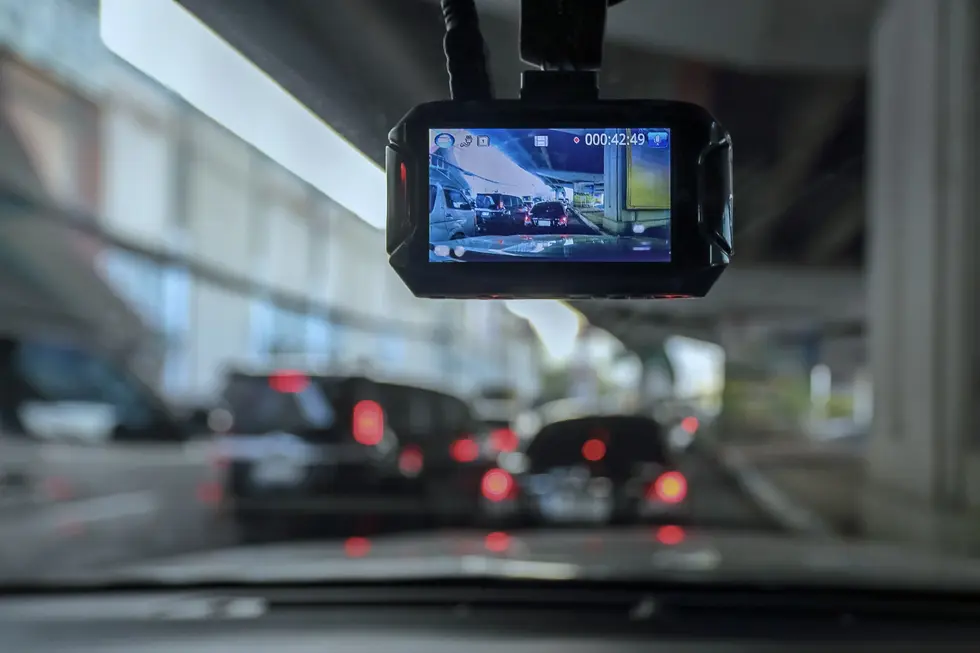
The short answer is yes, dash cam footage can generally be used as evidence in a California car accident claim, provided it meets the state’s rules of evidence. Courts typically allow video recordings if they are relevant, authentic, and not unduly prejudicial. This means the footage must clearly relate to the accident in question, must not be altered, and must be verified as a true recording of the incident.
California’s Rules of Evidence and Dash Cams
For a dash cam video to be admitted in court, it must be authenticated, usually by testimony from the person who installed or operated the camera. In practice, this often means you (or your attorney) confirming that the footage came directly from your device, has not been edited, and accurately depicts the accident. If these standards are met, judges typically allow the footage to be presented to a jury or used during settlement negotiations.
When Dash Cam Video Helps
Dash cam recordings can be particularly persuasive when they show the sequence of events leading up to a crash, such as another driver running a red light, speeding, or making an unsafe lane change. In some cases, insurers may be more willing to settle fairly when confronted with clear video evidence of their policyholder’s negligence.
Limits on Admissibility
Not every recording is guaranteed to be accepted. Blurry or obstructed footage may be considered unreliable. Likewise, if the video violates California’s privacy laws, for example, by including audio recordings of private conversations without consent, a court may exclude it. For this reason, it’s always best to share dash cam footage with your attorney first, so they can review whether it strengthens your case.
Call our personal
injury lawyers today
How Dash Cam Footage Can Strengthen Your Accident Claim
When used properly, dash cam footage can be one of the most persuasive forms of evidence in a California car accident case. Unlike witness testimony, which can be inconsistent, or police reports, which may leave out important details, video provides an unbiased, real-time account of what actually happened on the road.
Proving Fault and Liability
The most obvious way dash cam footage helps is by showing who caused the collision. For example, the video might capture another driver running a red light, tailgating, or making an illegal left turn. This type of clear visual evidence can leave little room for dispute, strengthening your claim against the at-fault driver’s insurance company and increasing the chances of a fair settlement.
Supporting or Challenging Witness Testimony
Accidents often involve conflicting stories from drivers and witnesses. A dash cam can help confirm or contradict those accounts. If a witness claims you were speeding, but your dash cam shows you traveling at the posted limit, the footage can reinforce your credibility and weaken the opposing side’s case.
Capturing Traffic Lights, Speed, and Road Conditions
In many cases, liability shifts on details like whether a light was red or green, how fast vehicles were moving, or whether road hazards contributed to the crash. Dash cams can capture these critical factors, which might otherwise be left up to speculation. For example, a video showing that you slowed for a yellow light while the other driver accelerated through can make a significant difference in how fault is assigned. Strong, authentic dash cam footage can tip the scales in your favor by providing objective, verifiable proof of what occurred, something that insurance adjusters and juries take seriously when deciding fault and damages.
Limitations of Dash Cam Evidence
While dash cam footage can be a powerful tool in a California car accident claim, it is not without limitations. Like any form of evidence, video recordings can be challenged, excluded, or even used against you if they don’t support your version of events. Understanding these drawbacks is important before deciding how to use dash cam footage in your case.
Incomplete or Unclear Recordings
Not all dash cams capture the full story. Some record only the road directly ahead, which may not show a side-impact collision or what another driver was doing moments before the crash. Poor lighting, weather conditions, or camera angle can also make footage difficult to interpret. If the video doesn’t clearly support your case, an insurance company may argue that it proves nothing or leaves room for doubt.
Privacy Concerns Under California Law
California has strict privacy laws, especially regarding audio recordings. Under Penal Code § 632, it is generally illegal to record a private conversation without the consent of all parties involved. If your dash cam records audio inside the vehicle without consent, that portion of the recording may be inadmissible in court. Video alone, however, is usually permissible when it captures events happening in public spaces like roads and intersections.
Footage That May Hurt Your Case
It’s also important to remember that dash cam footage can cut both ways. If the recording shows that you were speeding, distracted, or made an unsafe maneuver, the insurance company may use it against you to reduce or deny your claim. California’s comparative negligence law means that even partial fault on your part can reduce your compensation, so every second of footage matters.
Because dash cam evidence can be both a shield and a sword, it’s essential to review the footage with an experienced California car accident lawyer before submitting it to insurers or courts.
personal injury lawyer
get a free consultation
California Privacy Laws and Dash Cams
Before relying on dash cam footage in a California car accident claim, it’s important to understand how the state’s privacy laws may affect what you can legally record and what evidence a court will accept. California has some of the strictest privacy protections in the country, and violations could make parts of your footage inadmissible.
What’s Legal to Record
In general, dash cams are legal in California as long as they are mounted correctly (without obstructing the driver’s view) and used to record video of events happening in public spaces, such as roads, intersections, and highways. Since drivers have no reasonable expectation of privacy on public roads, video footage of other vehicles and traffic conditions is typically admissible.
Restrictions on Audio Recording
The bigger issue arises with audio. Under California Penal Code § 632, it is illegal to record a “confidential communication” without the consent of all parties involved. This means that if your dash cam records conversations inside your car, such as between you and a passenger, those portions of the recording may violate state law and could be excluded from evidence. To avoid this issue, many drivers disable the audio feature on their dash cams.
How Privacy Rules Impact Admissibility
Courts in California generally allow the admission of video footage of accidents if it can be authenticated and is relevant to the case. However, any portion of the recording that violates privacy laws, particularly unauthorized audio, may be suppressed. That doesn’t necessarily render the entire video unusable, but it can limit the extent to which the footage supports your claim.
For accident victims, the takeaway is simple: dash cam video of the roadway is almost always admissible, but audio can be risky without consent. Reviewing your footage with a lawyer ensures it strengthens your case rather than creating unnecessary hurdles.
Steps to Take If You Have Dash Cam Footage After an Accident
If your dash cam captured your California car accident, that footage could become one of the most important pieces of evidence in your claim. But its value depends on how you handle it. Failing to preserve or share it properly can weaken your case or even prevent the footage from being used in court.
Preserve and Back Up the Video Immediately
Most dash cams record on a loop, meaning older footage is overwritten automatically after a certain amount of time. To protect your evidence, download the video as soon as possible and save it to multiple devices or secure cloud storage. Label the file with the date and time of the crash so it’s easy to identify later.
Share the Footage With Your Lawyer, Not the Insurance Company
It may be tempting to send the video directly to your insurance company or the at-fault driver’s insurer, but this can backfire. Insurance adjusters will look for any detail they can use against you, even if the main footage supports your claim. Instead, provide the recording to your California car accident lawyer first. They can review it carefully, determine how it supports your case, and decide when and how to release it strategically during negotiations or litigation.
Maintain a Clear Chain of Custody
For dash cam footage to be admissible in court, it must be shown to be authentic and unaltered. This means keeping a clear chain of custody, documenting where the footage came from, who accessed it, and how it was stored. Your attorney can help ensure the video is handled correctly so that the other side cannot challenge its validity. By preserving, protecting, and sharing dash cam footage the right way, you maximize its value in proving fault and securing compensation.
What If the Other Driver Has Dash Cam Footage?
Dash cam evidence doesn’t always work in your favor. In some California accidents, the other driver may have dash cam footage and attempt to use it against you. Understanding how this evidence might be used, and how it can be challenged, is critical to protecting your rights.
How Opposing Footage May Be Used Against You
If another driver’s dash cam appears to show you speeding, changing lanes without signaling, or running a light, their insurance company will likely present that footage to argue you were at fault. Because California follows comparative negligence laws, even partial fault on your part can reduce your compensation. For example, if the video suggests you were 20% responsible for the crash, your damages could be reduced by that percentage.
Challenging the Accuracy of Dash Cam Footage
Not all video tells the full story. Dash cams have limitations; poor angles, low-quality resolution, or incomplete recordings can distort what really happened. A skilled attorney can argue that the footage lacks context, doesn’t capture the critical moments of impact, or fails to reflect conditions like blind spots or actions outside the camera’s frame.
Legal Strategies for Neutralizing Harmful Video
Your lawyer may bring in accident reconstruction experts to analyze the footage frame by frame, comparing it with physical evidence like skid marks, vehicle damage, and traffic signal timing. In some cases, what looks incriminating at first glance may actually support your case once placed in the proper context. For example, a video that shows you entering an intersection might also show another driver accelerating on a red, proving they were primarily at fault. While the other driver’s dash cam may seem intimidating, an experienced California car accident lawyer knows how to scrutinize, challenge, and contextualize the footage so that it doesn’t unfairly damage your claim.
The Role of a Car Accident Lawyer in Using Dash Cam Evidence
Dash cam footage can be a powerful tool, but on its own, it doesn’t guarantee a successful outcome. To be effective, the video must be properly preserved, authenticated, and combined with other evidence. This is where an experienced California car accident lawyer makes all the difference.
Authenticating and Presenting Video in Court
For dash cam footage to be admissible, it must be shown to be genuine and unaltered. A lawyer ensures the chain of custody is documented and may call witnesses, such as the driver or a technician, to confirm that the recording is accurate. By handling authentication correctly, your attorney prevents the opposing side from arguing that the footage is unreliable.
Combining Dash Cam Footage With Other Evidence
Dash cam recordings are most effective when paired with additional evidence like police reports, medical records, and expert testimony. For instance, footage showing another driver running a red light becomes even more persuasive when combined with traffic signal timing data and witness statements. Your lawyer knows how to weave these elements together into a compelling narrative that supports your claim.
Negotiating Stronger Settlements With Insurers
Insurance adjusters are more likely to take your claim seriously when confronted with clear, credible dash cam footage. A lawyer can use the video strategically during settlement negotiations, leveraging it to counter lowball offers and push for compensation that reflects the full value of your injuries and damages. If negotiations fail, the same evidence can be presented effectively in court. In the right hands, dash cam footage becomes more than just a recording; it becomes a cornerstone of a strong legal strategy designed to maximize your recovery.
personal injury lawyer
get a free consultation
Final Thoughts: Using Dash Cam Footage to Protect Your Rights
Dash cam footage is quickly becoming one of the most valuable tools for drivers in California car accident claims. When used correctly, it can provide clear, objective evidence of who caused a crash, support your version of events, and pressure insurance companies into offering fair settlements. But like any form of evidence, dash cam recordings have limitations, and in some cases, they can even be used against you.
The key is knowing how to handle your footage: preserve it immediately, avoid sharing it directly with insurance adjusters, and work with a lawyer who understands how to use it strategically. With the right legal guidance, dash cam video can shift the balance of a case, turning what might have been a “he said, she said” dispute into a claim backed by undeniable proof.
At Vaziri Law LLP, we regularly help clients leverage dash cam footage to strengthen their cases and secure maximum compensation. Whether your video clearly shows another driver’s negligence or you’re concerned about footage from the other side, our attorneys know how to present and protect this evidence effectively.
If you’ve been involved in a car accident in California and have dash cam footage, don’t leave it to chance. Contact Vaziri Law LLP today for a free consultation, and let us show you how we can use every available tool, including your dash cam, to fight for your rights.
Dash cam footage tells part of the story. We make sure the full story protects your future.