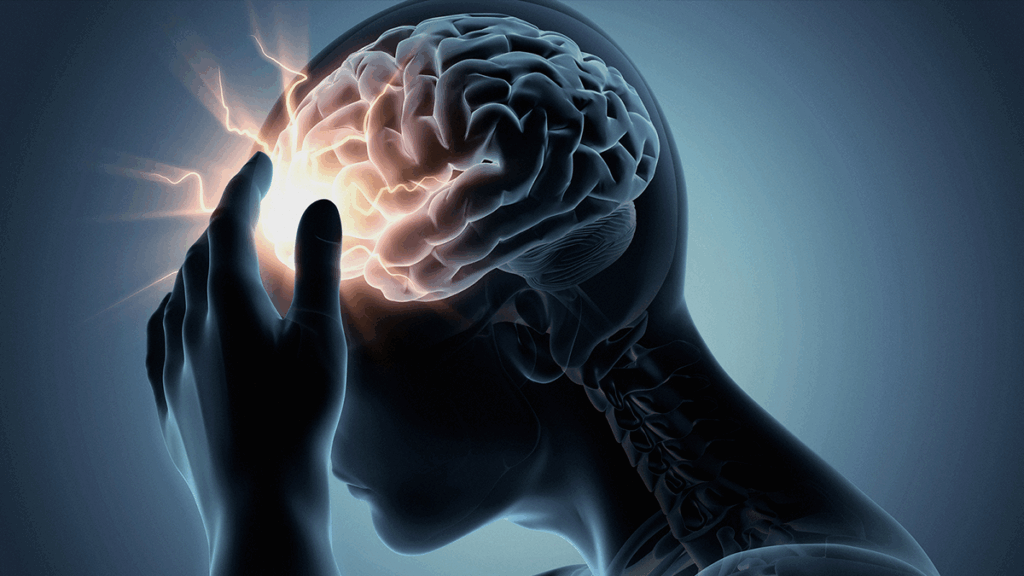
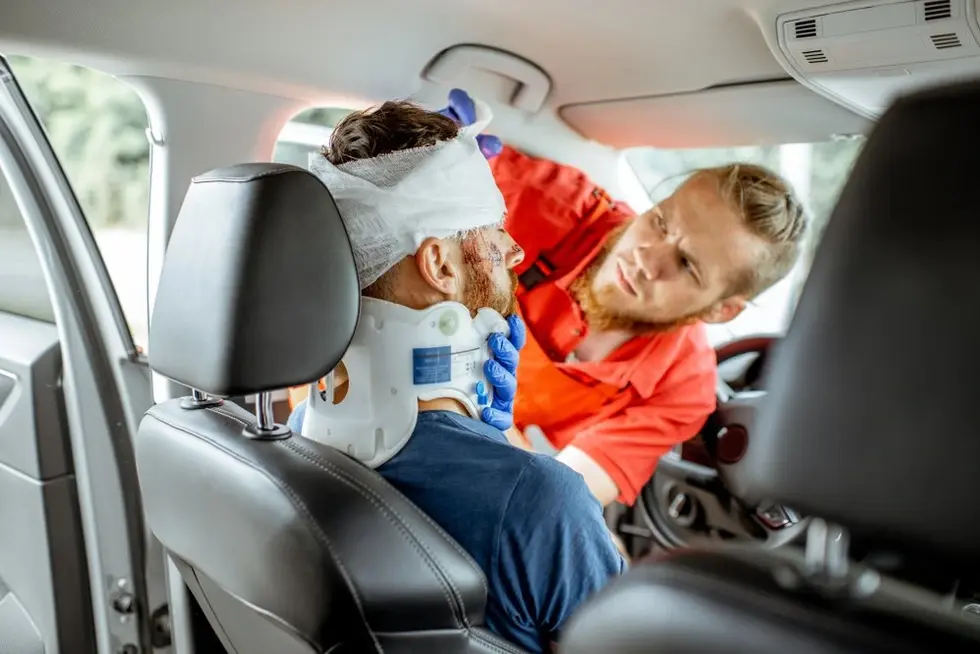
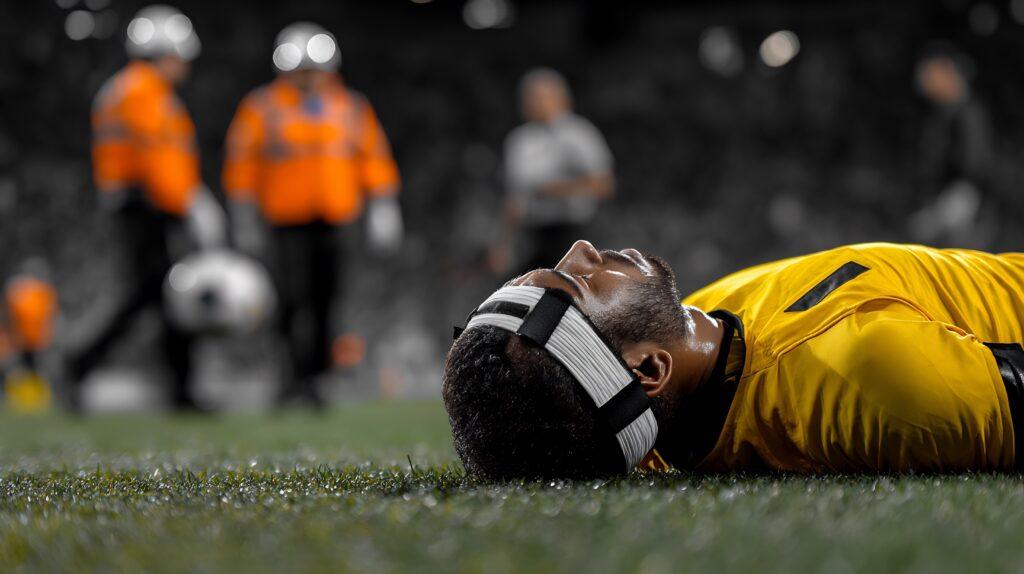
Brain injuries silently affect people’s ability to think, move, and focus properly. Falls, sports injuries, and car accidents can all lead to injuries, but not all of them lead to brain injuries. Given the nature of brain injuries, it’s difficult to prove there even is brain injury even after a traumatic incident.
Unlike physical injuries, brain injuries and other mental ailments are difficult to prove due to the lack of obvious signs. Sometimes CT scans and MRI machines can’t pick up these injuries due to how small they can appear on the brain. Psychological ailments such as PTSD, anxiety, and depression aren’t always taken seriously by adjusters given the intangible nature of these conditions.
This is where a brain injury lawyer in Santa Ana can help. Our lawyers at Vaziri Law, LLP, are a dedicated team who can help you get access to the tests you need to diagnose your brain injury and get you the help you need to start filing your claim. We’ve successfully brought dozens of brain injury cases and helped victims claim compensation throughout Santa Ana.
Brain Injuries are Invisible
Brain injuries, like many other neurological injuries, are often invisible and manifest as problems through often traumatic events such as a stroke or a serious vehicle accident. While brain injuries related to these events can be treated, there are some cases where they cannot.
In the cases of people who experience constant bumps on their head, like athletes and military personnel, it’s difficult to detect brain injury. However, it’s almost always assumed that they have some sort of brain injury. This difficulty in detection is the reason many athletes aren’t diagnosed with chronic traumatic encephalopathy (CTE), a neurodegenerative disease, until after they’ve passed away.
Call our personal
injury lawyers today
Types of Brain Injuries
There are two types of brain injuries, traumatic and non-traumatic brain injuries.
Traumatic Brain Injury (TBI)
This is caused by an external force that affects the brain in some capacity. These are commonly seen after vehicle crashes, sports injuries, falls, and/or assaults. They are categorized into two types: penetrating and non-penetrating.
Penetrating
If an object pierces the skull and brain, it’s a penetrating injury. These are commonly seen due to bullet wounds, shrapnel lodging, and industrial accidents.
Non-Penetrating
This is the most common form of brain injury. Like concussions, these don’t usually have long-lasting damage at first, but they can develop into CTE.
Acquired Brain Injury (ABI)
These are unrelated to external forces. These happen because of stroke, tumors, oxygen deprivation, and/or infections.
Common Ways to Obtain a Brain Injury
- Premises liability accidents, like slips and falls or being struck by fallen objects
- Assault
personal injury lawyer
get a free consultation
Common Symptoms of a Brain Injury
- Headaches
- Dizziness
- Fatigue
- Confusion
- Difficulty concentrating
- Sensitivity to light and noise
- Memory problems
How To Prove an Accident Caused Your Brain Injury
If you find yourself in an accident, the following steps can help you make your case stronger.
- Medical records are a must. After an accident, it’s important to go to a doctor and get a CT scan or MRI (if needed). Having these records confirms the extent of your injuries.
- Witness testimony can help. If there were witnesses nearby at the time of the accident, ask for their contact information to give your attorney their perspective of the incident that led to your brain injury.
- Keep a personal journal. After an injury, it’s recommended to keep a journal. Write down any changes you notice in your focus, mood, or memory and any pain you feel.
- Assessments from medical experts. Once you’ve gotten your initial checkup, a doctor will do a few neurological assessments to check the extent of your brain injury. The results of these tests will tell doctors how severe your brain injury is.
The Glasgow Coma Scale
The Glasgow Coma Scale (GCS) is a clinical diagnostic tool that’s been used since the 1970s to assess a patient’s consciousness. It’s typically used when seeing patients with traumatic brain injuries; however, it can be used on a wider scale.
The GCS tests patients on three components: eye movement, speech, and motor response. This is tested on a 5-point scale, with one being the lowest score in each category. The lowest possible total score on this test is a 3 which indicates that the patient is unresponsive and immobile. A 15 indicates they have full function of their body and speech.
What Damages Can I Be Compensated For?
After an accident of any kind, clients can file a personal injury case to be compensated for any economic and non-economic damage they suffered because of the accident.
Economic Damages
Economic damages refer to damages with a fixed price to them. These include lost wages, medical bills, home renovations, and any other damages with a fixed price.
Non-Economic Damages
These refer to psychological damages such as emotional distress, pain and suffering, diminished quality of life, and disability. Due to the nature of these damages, it’s almost impossible to calculate the cost these damages have on someone. However, there are two ways adjusters try to remedy the situation.
Per Diem
This method takes the afflicted party’s daily wage and pays them that wage for every day they are expected to be in pain.
Multiplier Method
This method uses the sum of the economic damage and multiplies it by a number between 1.5 and 5 based on the pain the afflicted party is suffering. 1.5 indicates minimal pain and 5 indicates the most excruciating pain possible.
FAQ
How Long Do I Have to File a Claim?
In California, everyone has up to two years to file a claim. It’s highly recommended to file your claim sooner rather than later to avoid losing key pieces of evidence.
What is the Average Settlement for a Brain Injury?
Depending on the circumstances of the accident, your potential settlement may not be the same as everyone else’s. Contact a brain injury lawyer in Santa Ana to learn more about your specific case.
I’m an Athlete. What Can I Do to Avoid a Brain Injury?
That depends on the sport you play. Sports such as cycling, swimming, and tennis generally have low brain injury rates. You can be injured doing these sports, but a brain injury will be the least likely thing to happen.
If you engage in a sport like football, soccer, or wrestling, the chances of a brain injury skyrocket. The best thing you can do is wear your safety gear and take care of yourself.
My Child is an Athlete. How Can I Protect Them?
Thanks to research into CTE, many schools take brain injuries seriously. Your child must also do their part and wear their safety gear and play without the intention of injuring other players. However, if your child suffers a brain injury, they will be told to see a doctor and will remain off the field until they recover from their injury.
What if I Develop Symptoms in the Future?
This is common as CTE develops. However, it can also be a sign of a TBI. Regardless, it’s highly recommended to speak to a brain injury lawyer in Santa Ana with your medical reports ready. You and your attorney can walk through your case and see how to move forward from there.
What if a Brain Injury leads to Death?
Depending on the case, the immediate family of the decedent can file a wrongful death suit. If the decedent was alive for a period between the brain injury and their passing, the family can also file a survival action to recover further damages.
What if I’m Incapacitated?
If you’re incapacitated after a brain injury, certain family members or a legal representative may file a suit in your stead.
Who Can File on My Behalf?
Your spouse, parents, legal guardians, anyone who has power of attorney over you, and a court-appointed conservator.
How Long Do Brain Injury Cases Take?
These cases tend to take longer due to the nature of brain injuries. Most cases resolve within 1 to 3 years.
Do I Have to Go to Court?
Most of the time, these cases are settled without ever having to set foot in a courtroom. If your case becomes one of the rare cases that does go to court, your brain injury attorney in Santa Ana will prepare you and let you know in advance.
personal injury lawyer
get a free consultation
Schedule a Consultation Today
Our brain injury lawyers have decades of experience fighting for our client’s rights to a fair compensation. We understand navigating a traumatic event can leave you and your family feeling overwhelmed. That’s why we at Vaziri Law are here for you. Contact us today for a free consultation.