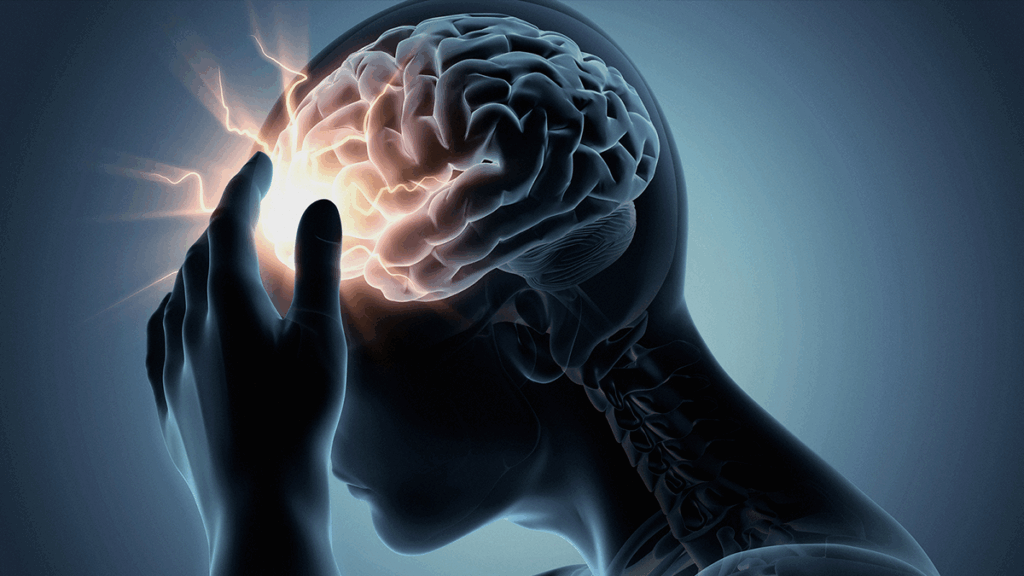
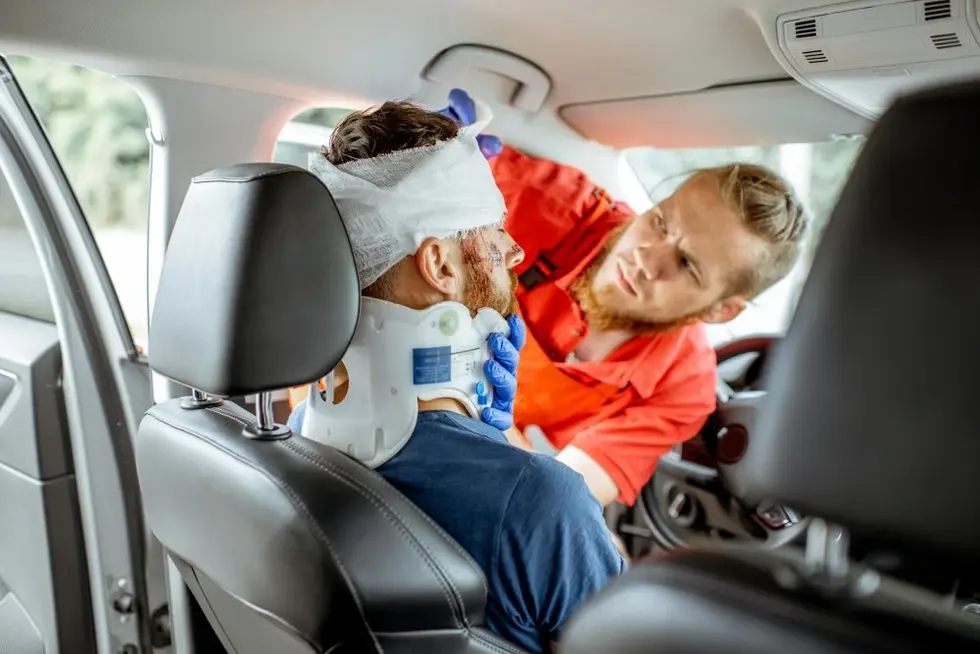
Since 2008, the iconic Six Flags coaster X2 has been a testament of engineering and creativity. However, many patrons experienced traumatic brain injuries after riding X2. Some have even collapsed and died afterwards.
On September 29, Magic Mountain President, Brian Oerding posted an official message announcing the retirement of X2. Despite the ride passing multiple safety tests, the mounting brain injury and wrongful death cases plummeted the public’s confidence in the park and its safety measures.
If you find yourself in a similar situation, speaking to a Los Angeles brain injury lawyer can help. Our team at Vaziri Law, LLP, is dedicated and well-versed in helping clients get the compensation they deserve after traumatic brain injuries.
The History of Lawsuits
Over the years, people have reported experiencing physical and brain injuries after riding many of the coasters at Six Flags Magic Mountain. Some reported these cases; others did not. However, this coaster’s riding experience was widespread enough to warrant a Reddit thread where past and future riders discuss their experiences with the coaster and ways to position your body to avoid a serious injury.
Unfortunately, some people didn’t walk away from the coaster to share their insights. In 2022, a 22-year-old man got off X2 and said his head hurt before collapsing. He was rushed to a nearby hospital where he passed the day after. The parents of the man filed their wrongful death case in 2023, and after three years of litigation, the family and the theme park settled for an undisclosed amount.
Call our personal
injury lawyers today
Why All the Commotion Now?
In the shadow of this case, another three plaintiffs filed brain injury cases against the theme park. After talking to the doctors of a nearby hospital, attorneys found more people injured after visiting the park. The attorneys expect to file another 100 cases in the coming months, and they are expected to be tried as one case.
This, paired with the closing of the ride, also adds to the commotion. According to Oerding’s post, the closure is for safety measures and to rebuild visitor trust in the park. Some people believe it’s a response to the park’s lower attendance due to the ongoing lawsuits. This is reinforced by the company’s loss of revenue in the past year: a reported net loss of $203 million, more than double the losses from 2025.
A Theme Park’s Responsibility
The International Association of Amusement Parks and Attractions (IAPPA) reports that the chances of a serious injury at an amusement park in the United States are 1 in 15.5 million. However, these are reported numbers, and most likely not a concrete number as we’ve seen that multiple people do not report their injuries and think it’s a part of the overall risk of riding a roller coaster.
However, theme parks have a duty to ensure the safety and well–being of their visitors and employees. Despite the mostly harmless risks of riding a coaster, such as motion sickness, there are certain injuries that should not happen due to standard safety measures put in place at mainstay theme parks.
If there are any failures in that duty, a theme park may be charged with the following:
- Negligent operation
- Inadequate supervisions
- Defective equipment
Some parks would argue that warning signs and waivers will shield them from potential cases; however, gross negligence, unsafe conditions, and/or improper operation can make a park liable for any injuries. If you find yourself needing legal assistance after an injury at a theme park, contact a Los Angeles brain injury lawyer to see if you have a case.
personal injury lawyer
get a free consultation
How to Gauge Coaster Safety
Everyone has a different threshold for roller coasters. Some enjoy fast-paced rides; others like casual themed rides. Theme parks offer something for everyone. However, riders should adhere to the following guidelines when they choose to get on a ride or attraction:
- Meet physical requirements. Every ride has a height and weight limit for optimal use. Before getting on a ride, check your height and weight against the ride’s limits. Some parks have areas where guests can see if they fit inside a ride’s cart before getting into the queue.
- Consider health risks. If you have a heart condition, back problems, or happen to be pregnant, consider not getting on high–velocity rides and opt for something slower.
- Check restraints and sit appropriately. When loading into a ride, make sure that seatbelts lock properly and that any additional safety measures, like handlebars and harnesses, come down and lock in place. Avoid slouching when these measures come down to ensure the protective measure will work as they should.
- Secure all loose items. Cell phones, jewelry, and any other loose materials should be put in cubbies, stored in backpacks, or put inside bags pre-installed on a ride.
- Keep limbs inside the ride. Putting your hands up during rides is commonplace; however, it is not safe. When riding, try to keep your arms and legs within the confines of a ride.
Common Symptoms of a Brain Injury
Not all bumps to thehead will result in traumatic brain injury, but when you’re getting off a coaster, it’s best to be on the lookout for the following symptoms:
- Headache
- Nausea
- Double vision
- Dilated pupils
- Seizures
- Fluids draining from nose or ears
- Slurred speech
- Loss of balance
- Hearing problems
- Sensitivity to light/sound
- Fatigue
- Passing out
FAQ
What are the Common Reasons for Coaster–Related Accidents?
There are many reasons why a coaster can malfunction. Poor maintenance, human errors, poor design, rider behavior, or operator fatigue can all lead to an injury.
Does this Apply to Traveling Festival Coasters?
Traveling festivals don’t come with high–velocity coasters. The fastest attractions at these events are often bumper cars and the Ferris Wheel. However, the construction of these rides must also meet safety standards and be secure.
What If I Had a Pre-Existing Condition and Did Not Know?
Sometimes, this happens; however, these cases often require an investigation into the person’s medical history and the coaster’s safety and maintenance records to make a sound claim. If you need assistance, contact a Los Angeles brain injury lawyer.
When Should I Go to the Doctor?
It’s recommended to visit the doctor within 24 hours, especially after experiencing symptoms such as dizziness, nausea, and double vision. Avoid getting on additional coasters if you feel this way; it can worsen your condition.
What Other Rides Can Cause Brain Injury?
Besides roller coasters, any ride with sudden stops or high velocities can cause a brain injury. For example, spinning rides like the Tilt-A-Whirl can cause injuries due to high speeds. However, log rides, water rides, dark rides, and the Ferris Wheel do not often lead to brain injuries.
Are Brain Injuries Permanent?
Concussions are not often permanent; however, they can cause long-term memory or sleep problems. Traumatic brain injuries are permanent and would require the victim to relearn many things like gripping a pencil, walking, or speaking.
What Can I Recover in Compensation from an Injury?
Like any brain injury case, victims can recover compensation for any damages relating to medical costs, lost wages, and any other calculable losses like home renovations to accommodate a new condition. They can also recover compensation for pain, suffering, and other forms of psychological distress.
What’s the Best Compensation I Can Recover After an Accident?
There is no set amount for the “best compensation”. Every case is different and is tailored around the injuries clients suffer after an accident. Some people take longer to recover than others, and others don’t recover and must live with that damage for the rest of their lives.
Is There a Cap to Compensation?
Yes and no. There isn’t a cap on the total compensation. People have been awarded millions of dollars after accidents. However, there is a cap to the amount of medical compensation one can receive. Maximum Medical Improvement (MMI) is a cap on medical treatment. This often comes once a doctor determines that a person’s injuries will not get better with treatment. This milestone marks the end of treatment but can be used to determine if someone qualifies for permanent disability benefits, which can be used to negotiate a final settlement for your case.
Why Does It Take Long to Negotiate with a Company?
Companies want to avoid losing money when they can. Companies in California, however, know California’s comparative negligence law. This statute states that all parties are liable for damages in an accident, and an investigation determines the split between the parties. While companies are held to a high standard of care compared to the parkgoer, companies will try to negotiate the minimum amount to avoid losing profits.
Contact a Los Angeles Brain Injury Lawyer Today!
Traumatic brain injuries can change a person’s life. Recovery can take a long time and requires a lot of support. Let us help you by taking on your case while you focus on recovery. Our team of lawyers at Vaziri Law has over 200 years of legal experience handling cases just like yours. Contact us today to schedule a consultation.