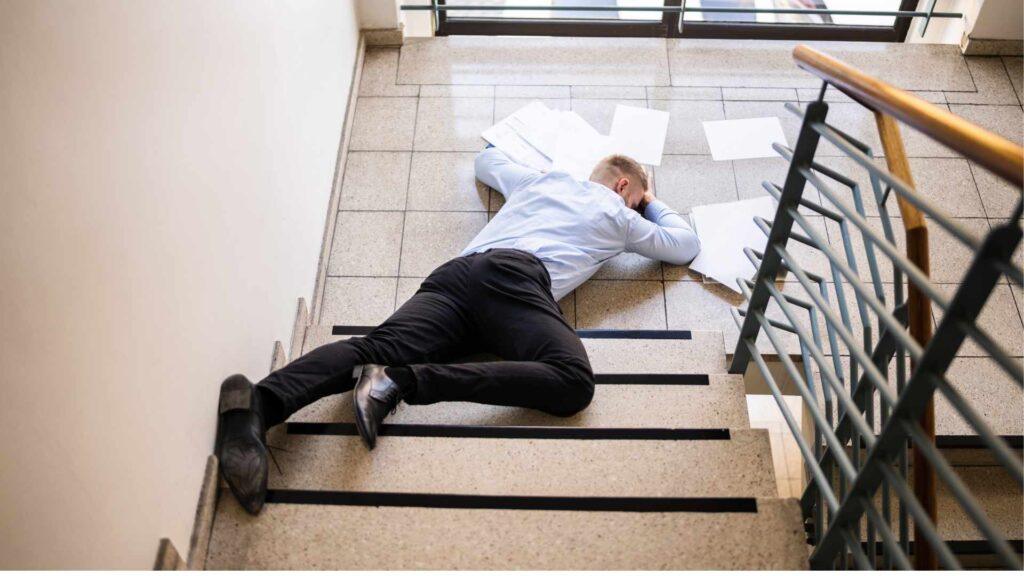
Not all slip-and-fall accidents are minor. While some result in bruises or broken bones, others cause life-altering spinal cord injuries that can leave victims facing permanent disability, loss of independence, and overwhelming financial challenges. In California, where premises liability laws hold property owners accountable for unsafe conditions, victims of spinal cord injuries have legal options to pursue justice and compensation, but these cases are often more complex than standard injury claims.
Spinal cord injuries are particularly devastating because they affect not only physical mobility but also nearly every aspect of daily life. A single fall on a wet floor, uneven pavement, or poorly maintained staircase can cause damage that requires extensive medical treatment, long-term rehabilitation, and lifelong care. Beyond the physical toll, families may struggle with the emotional and financial strain of adapting to a new reality.
What many victims don’t realize is that legal action can provide more than just reimbursement for medical bills. California law allows recovery for lost wages, diminished earning capacity, pain and suffering, and the costs of future care. By understanding how liability works and what compensation is available, victims can protect their futures and hold negligent property owners accountable.
This guide will walk through the medical realities of spinal cord injuries, the legal framework that applies to slip-and-fall accidents in California, the challenges victims face in these cases, and how an experienced attorney can make all the difference in achieving justice.
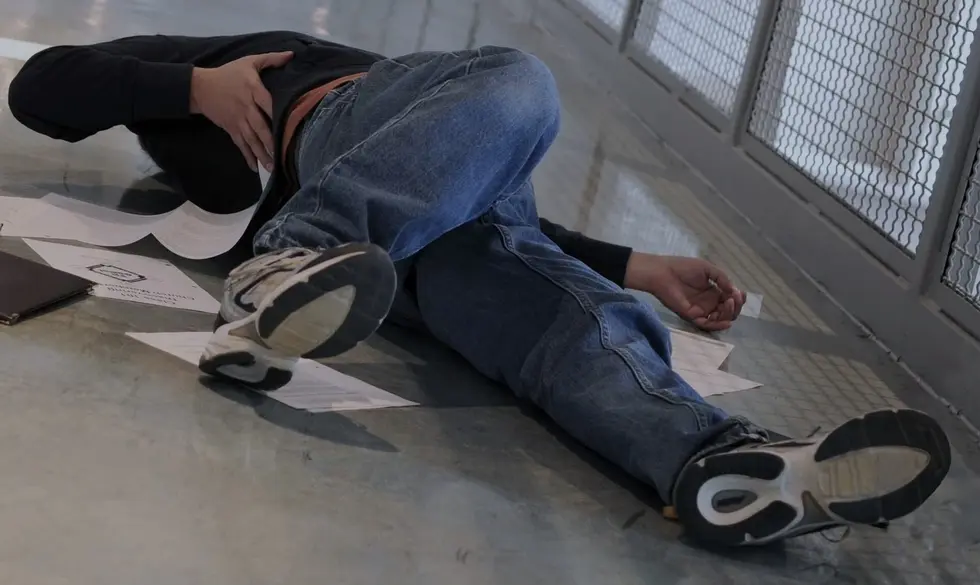
Understanding Spinal Cord Injuries
The spinal cord is one of the most delicate and vital parts of the human body. It carries signals between the brain and the rest of the body, controlling movement, sensation, and critical bodily functions. When the spinal cord is damaged in a slip-and-fall accident, the results can be catastrophic and, in many cases, permanent.
Types of Spinal Cord Injuries
Spinal cord injuries are generally classified into two main categories: incomplete and complete. An incomplete injury occurs when the spinal cord has been damaged but not entirely severed, allowing victims to retain some degree of movement or sensation below the injury site. In contrast, a complete injury results in the total loss of motor function and sensation beneath the point of impact, often leading to paralysis, such as paraplegia or quadriplegia. The severity of these injuries depends not only on whether they are complete or incomplete but also on the location and extent of the trauma. For instance, injuries to the cervical spine, the neck region, are typically the most serious, as they can impair breathing, limit arm movement, and disrupt essential bodily functions, leaving victims with profound and life-altering challenges.
Common Symptoms and Complications
Symptoms may appear immediately after a fall, or they may develop gradually as swelling and internal bleeding put pressure on the spinal cord. Victims often report numbness, tingling, weakness, or complete loss of movement in certain areas of the body. Over time, complications can include chronic pain, muscle spasms, infections, and secondary conditions like pressure sores or blood clots.
How Slip-and-Fall Accidents Cause Spinal Damage
A slip-and-fall accident can cause a spinal cord injury when a person lands with sudden force, twists unnaturally, or strikes their back or neck against a hard surface. Common causes include slippery floors, broken steps, poorly maintained handrails, or uneven flooring. Because falls often happen without warning, victims are unable to brace themselves, making spinal injuries more likely than in other types of accidents. Spinal cord injuries from slip-and-fall accidents are not just medical emergencies; they are life-changing events. Recognizing their seriousness is the first step toward holding negligent parties accountable and securing the resources needed for recovery.
Call our personal
injury lawyers today
The Real-World Impact of Spinal Cord Injuries
A spinal cord injury from a slip-and-fall accident is not just a medical diagnosis; it’s a life-altering event that reshapes nearly every part of a victim’s day-to-day existence. Beyond the initial emergency treatment, these injuries create ongoing physical, emotional, and financial burdens that ripple outward to affect families, caregivers, and entire communities.
Medical Treatment and Long-Term Care Needs
Victims of spinal cord injuries often require extensive hospitalization, surgeries, and rehabilitation. In many cases, they may need ventilators, mobility aids such as wheelchairs, or in-home nursing care. Unlike broken bones or sprains, spinal cord injuries rarely heal completely, which means the victim may face a lifetime of medical management. According to national studies, the lifetime costs of spinal cord injuries can reach into the millions, especially for younger victims who will need decades of care.
Rehabilitation and Adaptive Equipment
Recovery is rarely straightforward. Many victims undergo months or years of physical therapy, occupational therapy, and counseling to adjust to new limitations. Adaptive equipment, such as accessible vehicles, modified homes, or voice-controlled technology, is often necessary to restore some level of independence. These costs add up quickly and are rarely covered in full by insurance.
Emotional, Psychological, and Financial Burdens
The emotional toll of a spinal cord injury can be just as devastating as the physical one. Victims frequently experience depression, anxiety, or post-traumatic stress as they struggle to adapt to their new reality. Families may face the stress of becoming full-time caregivers, and financial strain grows as medical bills pile up and the victim loses the ability to work or pursue their career. The result is a profound disruption of not just the victim’s life, but the lives of everyone around them. Spinal cord injuries highlight why slip-and-fall accidents should never be dismissed as “minor.” For many victims, a single fall leads to a lifetime of challenges that demand both financial resources and legal accountability.
Who Can Be Held Liable for a Slip-and-Fall Spinal Injury in California?
When a spinal cord injury occurs after a slip-and-fall accident in California, one of the first legal questions is: Who is responsible? Under California’s premises liability laws, property owners and those in control of a property have a legal duty to keep their premises reasonably safe for guests, customers, and tenants. If they fail to do so and a dangerous condition causes harm, they can be held liable for resulting injuries, including catastrophic spinal cord damage.
Property Owners and Premises Liability
California Civil Code §1714 establishes that property owners have a duty of care to maintain safe conditions. This applies to private homeowners, landlords, businesses, and even government entities. If a spill is left unattended, stairs are broken, or flooring is uneven, and these hazards cause a fall that results in a spinal injury, the property owner may be held legally responsible.
Businesses and Landlords
Slip-and-fall accidents are especially common in commercial settings such as grocery stores, shopping centers, and apartment complexes. In these cases, liability may extend not just to the property owner but also to a business operator, landlord, or management company that failed to perform regular inspections, provide warnings, or fix known hazards.
Government Entities
If the fall occurred on public property, such as a sidewalk, school, or government building, the responsible city, county, or state agency may be liable. Claims against government entities are more complex because they require compliance with the California Tort Claims Act, which mandates filing a notice of claim within six months of the injury. Missing this deadline can bar recovery entirely.
The Role of Negligence in Establishing Fault
To hold a property owner or manager liable, the injured party must prove negligence. This typically requires showing that the property owner either knew, or should have known, about the dangerous condition and failed to take reasonable steps to correct it or provide warnings. Evidence such as maintenance logs, surveillance footage, and witness testimony often becomes critical in proving this element. In California, liability for a spinal cord injury doesn’t just fall on the person who caused the accident; it falls on the party who failed to make their property safe. Identifying the correct defendant is a crucial step in building a successful claim.
personal injury lawyer
get a free consultation
Key Evidence in Spinal Cord Injury Slip-and-Fall Claims
When pursuing a claim for a spinal cord injury caused by a slip-and-fall accident in California, evidence is everything. Because property owners and insurers often deny responsibility or argue that victims were careless, gathering and preserving the right documentation is critical to proving negligence and securing fair compensation.
Accident Scene Documentation
Photographs and videos of the scene can be some of the most powerful forms of evidence. Images of a wet floor without warning signs, broken stairs, loose carpeting, or poor lighting can show the hazardous condition that caused the fall. Witness statements also play a major role, as bystanders can confirm how the accident occurred and whether the property owner was aware of the danger.
Surveillance Footage
Many businesses and apartment complexes are equipped with security cameras. Footage showing the hazardous condition, the fall itself, or the length of time the hazard was left unaddressed can be invaluable in proving liability. Attorneys often act quickly to send preservation letters to ensure this evidence is not deleted or “lost.”
Medical Records and Expert Testimony
For spinal cord injuries, medical evidence is crucial. Hospital records, diagnostic imaging, and treatment notes provide a clear link between the fall and the injury. Medical experts may testify about the extent of the damage, the prognosis for recovery, and the long-term costs of treatment. This testimony is especially important when seeking compensation for lifelong care or permanent disability.
Proving Unsafe Conditions
Beyond medical documentation, evidence such as inspection logs, maintenance reports, and building code violations can establish that the property owner failed to meet their duty of care. For example, records showing repeated complaints about a broken stairwell, or proof that no safety inspections were performed, can demonstrate negligence and strengthen the victim’s claim. A spinal cord injury claim is only as strong as the evidence behind it. By collecting detailed documentation and working with experts, victims can overcome defense arguments and establish a compelling case for liability and damages.
Compensation Available for Victims
A spinal cord injury from a slip-and-fall accident in California often leaves victims facing not only physical challenges but also a lifetime of financial and emotional burdens. The law recognizes this and allows injured parties to pursue compensation that goes far beyond immediate hospital bills. Because these cases typically involve permanent or long-term consequences, calculating damages correctly is essential to ensuring victims and their families are supported in the years ahead.
Medical Bills and Future Healthcare Costs
Compensation begins with covering the enormous medical expenses associated with spinal cord injuries. This includes emergency care, surgeries, hospital stays, physical therapy, prescription medications, and ongoing doctor visits. Importantly, victims may also recover for anticipated future medical needs such as specialized rehabilitation, in-home care, or cutting-edge treatments like stem cell therapy.
Lost Wages and Loss of Earning Capacity
Many spinal cord injury victims are unable to return to work, either temporarily or permanently. Even when victims can work again, their injuries often force them to take lower-paying jobs or reduce their hours. California law allows recovery for both wages lost during recovery and the long-term loss of earning capacity. For young victims in particular, this category of damages can represent millions in projected lifetime income.
Pain, Suffering, and Loss of Enjoyment of Life
Not all losses are financial. Spinal cord injuries frequently cause chronic pain, limited mobility, and emotional distress that affect every aspect of daily living. Victims may no longer be able to engage in hobbies, sports, or family activities they once enjoyed. These non-economic damages are a critical part of compensation, recognizing the profound impact on quality of life.
Home Modifications and Lifelong Care Expenses
Because spinal cord injuries often require victims to adapt their living environment, compensation may also cover the costs of modifying a home with ramps, widened doorways, or accessible bathrooms. Some victims require specialized vehicles or assistive technology to regain independence. Long-term nursing or attendant care may also be included in damages, especially for those with severe paralysis. Spinal cord injury compensation is about more than financial reimbursement; it’s about restoring dignity, independence, and stability in the face of life-changing injuries.
Challenges in Slip-and-Fall Spinal Injury Cases
Although victims of spinal cord injuries from slip-and-fall accidents in California may have strong legal rights, pursuing compensation is rarely simple. Property owners, businesses, and their insurance companies often fight aggressively to limit liability, and the complexity of spinal injury claims makes them especially difficult to resolve without experienced legal representation.
One of the most common hurdles is insurance company defenses. Insurers frequently argue that the victim’s own carelessness caused the fall, or that the property owner had no knowledge of the hazardous condition. In spinal cord injury cases, where the stakes are high and damages may reach into millions of dollars, insurers have every incentive to dispute or minimize claims.
California’s rule of comparative negligence adds another challenge. Under this system, an injured person can still recover damages even if they are partially at fault for the accident, but their recovery will be reduced by their percentage of fault. This gives defense attorneys a strong incentive to argue that victims were distracted, wearing inappropriate footwear, or otherwise responsible for their fall. Even a small percentage of fault assigned to the victim can significantly reduce compensation.
Another obstacle is proving the severity of the injury. While spinal cord injuries are medically complex, insurers may attempt to downplay their long-term consequences. They may claim the victim is exaggerating symptoms, or argue that the condition was pre-existing rather than caused by the fall. Overcoming these tactics requires extensive medical documentation, expert testimony, and evidence of how the injury has permanently changed the victim’s life. These challenges highlight why spinal cord injury cases are far more than routine slip-and-fall claims. With insurers prepared to fight hard, victims need equally determined legal representation to secure the compensation they deserve.
The Role of a California Spinal Cord Injury Lawyer
For victims of spinal cord injuries caused by slip-and-fall accidents in California, having the right attorney can make the difference between a denied claim and a life-changing settlement. These cases are medically complex, legally challenging, and financially high stakes, which means victims need an advocate who understands both the human impact of spinal cord injuries and the tactics insurers use to avoid paying full compensation.
A skilled lawyer begins by conducting a thorough investigation of the accident. This may include inspecting the property, reviewing surveillance footage, obtaining maintenance logs, and interviewing witnesses to establish how negligence caused the fall. Attorneys also send preservation letters to ensure that crucial evidence, such as video recordings or inspection reports, is not destroyed by property owners or businesses.
Beyond proving liability, a lawyer plays a critical role in building the damages portion of the case. Working with medical experts, vocational specialists, and life-care planners, attorneys calculate the true cost of a spinal cord injury, not only current hospital bills but also future surgeries, rehabilitation, home modifications, and lost earning capacity. This ensures that settlements or verdicts reflect the lifelong impact of the injury rather than just the immediate expenses.
An experienced California spinal cord injury attorney also protects victims from insurance company tactics. Insurers often make early settlement offers that fall far short of what a victim will need for lifelong care. A lawyer can recognize these lowball tactics, negotiate aggressively for full compensation, and, if necessary, take the case to trial to secure justice. Ultimately, the role of a lawyer in these cases is not just legal; it’s about ensuring that victims and their families have the resources, stability, and support they need to face an entirely new reality after a catastrophic injury.
personal injury lawyer
get a free consultation
Final Thoughts: Protecting Your Future After a Slip-and-Fall Spinal Injury
A spinal cord injury from a slip-and-fall accident is one of the most devastating events a person can experience. In an instant, a simple hazard like a wet floor, broken step, or uneven walkway can lead to lifelong paralysis, chronic pain, or the need for round-the-clock care. Beyond the physical consequences, victims face staggering medical bills, lost income, and emotional challenges that affect the entire family.
California law gives victims the right to hold negligent property owners accountable, but navigating these claims is never easy. Property owners and insurers are quick to deny responsibility or downplay the severity of injuries, especially when the damages may amount to millions of dollars over a victim’s lifetime. That’s why it’s critical to act quickly, preserve evidence, and seek guidance from a lawyer who understands the unique complexities of spinal cord injury cases.
At Vaziri Law LLP, we have seen firsthand the toll spinal injuries take on victims and their families. We are committed to investigating negligence, building strong cases with medical and financial experts, and fighting relentlessly to secure the compensation our clients need for medical care, rehabilitation, and long-term stability.
If you or a loved one has suffered a spinal cord injury in a slip-and-fall accident, don’t face the future alone. Call Vaziri Law LLP today for a free consultation. We’ll explain your legal options, protect your rights, and fight to make sure you have the resources to rebuild your life.
Your strength is in your recovery. Our strength is in making the law work for you.